
Obituaries
Obituaries » Scott Lowell Fishkin
Check your settings when you are happy with your print preview press the print icon below.
Show Obituaries Show Guestbook Show Photos QR Code Print
Print
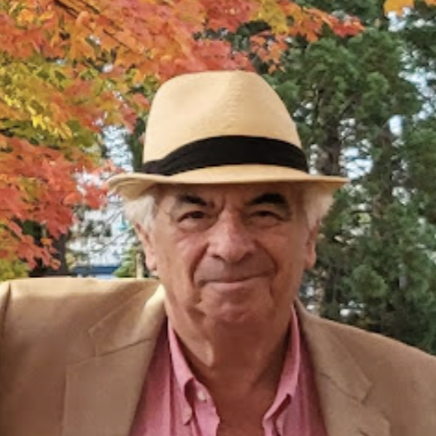
Scott Lowell Fishkin
August 15, 1950 - March 31, 2024
Share your Memorial with Family & Friends
Scott Lowell Fishkin, born August 17, 1950, in New York City, died in Seattle on March 31, 2024, from the long-term effects of toxic chemical exposure sustained during his career at the Boeing Company. He is survived by his father, Seymour Fishkin; his wife, Gillian Muessig; and his children, Meridith Fishkin and her husband Arlen Duncan III, Evan Fishkin, and Rand Fishkin and his wife Geraldine. He was preceded in death by his mother, Pauline Fishkin, and his brother, Mitchell Rand Fishkin. Seymour Fishkin, who continued to spread joy and love, despite the loss of his wife and both of his sons, passed away in August 2026.
Scott graduated from Columbia University in 1976 as a mechanical engineer and began his career at Stone & Webster in New York City before joining Boeing in 1979, where he worked for nearly three decades. Known within the company as “The Fireman,” Scott was regularly called on by Boeing’s C-suite to solve problems no one else could crack. His early work helped get Boeing’s wind energy program off the ground, with installations still standing today. Using Boeing Calc, one of the era’s first spreadsheet programs, he was tasked with locating, cataloging and reporting SARA-listed toxic metals and chemicals — work that led to his own exposure. He created Boeing’s first material exchange program to reduce the volume of material sent to toxic dump sites, and researched substitutes in an effort to remove hazardous materials from the aircraft manufacturing process.
Scott went on to install computer terminals from Puget Sound to Philadelphia and led workflow transformations, cutting Boeing’s paper use by more than 70%. He improved transparency and efficiency in HR, built out recycling programs, and saved the company hundreds of millions of dollars through his energy-efficiency work. Scott filed for so many regional, state, and federal energy grants that some in Washington are still informally known as “Scott Fishkin grants” as he was the only one willing to produce the volumes of written work required to secure them. During the early 2000s electricity shortages, Scott negotiated and locked in power rates early, saving Boeing millions as prices spiked. He engineered programs to power down non-essential equipment while keeping critical systems running, led the company-wide changeout from fluorescent lighting to motion-sensor LEDs, and set up processes that saved millions of gallons of water over the following decades. In 2006, Scott was recognized for cutting Boeing’s overall energy consumption by 63% at a time when other companies celebrated 5–10% reductions as major wins.
Scott will be remembered for his relentless drive to accomplish goals, and for a legacy of efficiency and stewardship that outlasted him.